


Reclaiming Your Life
Abusive relationships are a harrowing reality for many Australians, yet they often remain hidden behind closed doors. According to the Australian Institute of Health and Welfare (AIHW), one in six women and one in nine men experience physical or sexual violence by a partner in their lifetime. This staggering statistic underscores a profound issue affecting countless individuals across the nation. The emotional scars left by abuse can be just as devastating as the physical ones, impacting every facet of a person’s life—from mental health to relationships and self-esteem.
Understanding why so many people suffer in silence is crucial for addressing this issue effectively. Abuse often leads to a sense of isolation, where victims feel trapped and unsupported. This silence can be attributed to various factors, including fear of retaliation, financial dependency, shame, and a lack of awareness about available resources. In this blog, we will delve into these reasons, explore the impacts of abusive relationships, and discuss effective therapeutic approaches for healing. We aim to provide a compassionate guide for those affected and offer practical steps towards recovery.
The Silent Struggle: Why Many Suffer in Silence
Abuse is a deeply personal experience, and many individuals endure it in silence for a range of reasons:
- Fear of Retaliation: Victims often fear that speaking out will lead to increased violence or other forms of retaliation from their abuser. This fear can be particularly intense if the abuser has made threats or has previously acted violently in response to challenges.
- Shame and Stigma: The shame associated with being in an abusive relationship can be overwhelming. Victims might feel embarrassed or believe that they are to blame for the abuse. This internalised shame can deter them from reaching out for help.
- Economic Dependence: Many individuals, particularly women, find themselves financially dependent on their abuser. The fear of financial instability can be a powerful barrier to seeking help or leaving an abusive relationship.
- Isolation: Abusers often isolate their victims from friends and family, making it difficult for them to seek support. The lack of a support network can exacerbate feelings of loneliness and helplessness.
- Lack of Awareness: Victims may not be aware of the resources available to them or may not recognise that they are in an abusive relationship. This lack of awareness can delay seeking help.
Understanding these factors is crucial for offering appropriate support and developing effective strategies to help individuals break free from abusive situations.
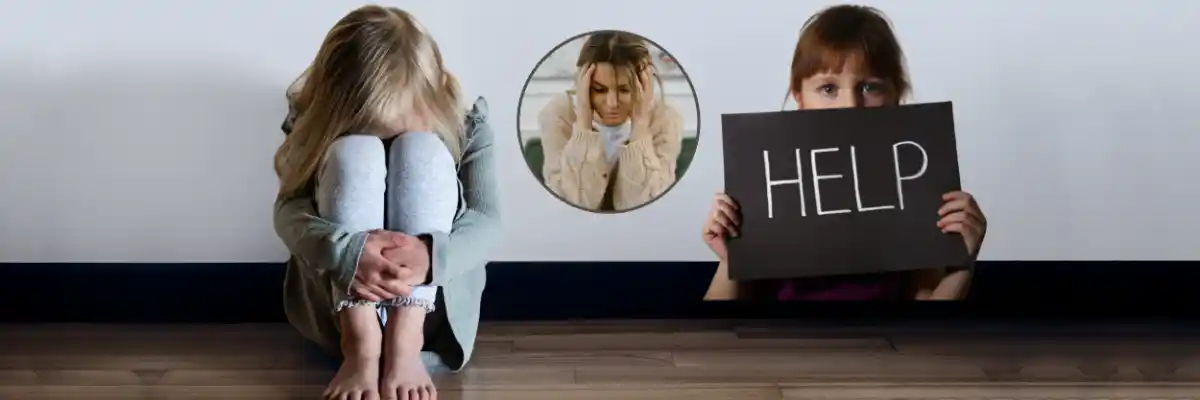
Understanding the Impact of Abuse
Abuse affects individuals in profound and multifaceted ways. Here’s a detailed look at its impacts:
- Emotional and Psychological Effects: The emotional toll of abuse can be severe, leading to conditions such as anxiety, depression, and post-traumatic stress disorder (PTSD). Victims may experience a diminished sense of self-worth, constant fear, and emotional numbness. The psychological impact can also include difficulty trusting others and persistent feelings of guilt or shame.
- Physical Health Consequences: Physical abuse can lead to serious health issues, including chronic pain, injuries, and long-term health problems. Victims may also experience frequent illnesses due to stress and a compromised immune system.
- Social Effects: The isolation imposed by abusers can lead to a breakdown in social relationships. Victims may withdraw from friends and family, leading to further loneliness and difficulty seeking support. The social impact extends to workplace challenges, where victims might face difficulties concentrating or maintaining their job performance.
- Intergenerational Impact: Abuse can have a ripple effect across generations. Children who witness or experience domestic violence may develop emotional and behavioural issues and may be at higher risk of entering abusive relationships themselves.
- Economic Consequences: The economic impact of abuse can be substantial. Victims may face financial difficulties due to job loss, medical expenses, or legal costs. This economic strain can further entrench their dependence on the abuser.
Recognising these impacts helps in understanding the urgency of addressing abuse and providing comprehensive support to those affected.
The Role of a Psychologist in Your Healing Journey
Navigating the aftermath of an abusive relationship can be daunting, but seeking support from a psychologist can be a pivotal step towards recovery. Psychologists are trained professionals who offer a safe, non-judgmental space for you to explore and address the emotional and psychological impacts of abuse. They also provide valuable support by helping you make sense of your experiences and emotions. They can assist you in understanding the effects of abuse on your mental health, relationships, and overall wellbeing. By offering empathy and validating your feelings, a psychologist helps you feel heard and supported, which is crucial for healing.
One of the key benefits of working with a psychologist is the development of effective coping strategies. They can guide you in building resilience and developing healthy ways to manage stress and emotional pain. This might include techniques for managing anxiety, improving self-esteem, and establishing boundaries in relationships. With these skills, you can begin to regain control over your life and wellbeing.
Psychologists also create a supportive environment where you can openly discuss your experiences and fears without fear of judgment. They can help you identify your goals and develop a roadmap for achieving them. This might involve working on rebuilding confidence, creating a vision for your future, or exploring new ways to engage in life with a sense of purpose and direction.
Seeking help from a psychologist is a courageous and beneficial step towards healing from an abusive relationship. At Positive Mind Works, our experienced psychologists use a compassionate and empathetic approach to support you through this journey. They are dedicated to creating a safe and nurturing environment where you can openly explore your experiences and begin to heal. By offering personalised support and guidance, our team helps you navigate the complexities of recovery, build resilience, and foster a renewed sense of self. With their experience and genuine care, the psychologists at Positive Mind Works are here to assist you every step of the way as you work towards reclaiming your life and embracing a brighter future.
Book an appointment today or contact us:
AU: 1800 327 477 | NZ: 0800 327 477 – info@positivemindworks.co

Practical Steps for Breaking the Cycle of Abuse
Breaking free from an abusive relationship involves several critical steps. Here’s a more detailed guide:
- Seek Professional Help: Contacting a mental health professional, such as a psychologist or counsellor, can provide the support needed to address the trauma of abuse. Psychologists can offer therapeutic interventions, support coping strategies, and help individuals navigate the complex emotions associated with leaving an abusive relationship.
- Build a Support Network: Reconnecting with supportive friends and family members can provide emotional support and practical assistance. Building a network of trusted individuals can offer a sense of safety and help in navigating the challenges of leaving an abusive relationship.
- Develop a Safety Plan: A safety plan is crucial for ensuring physical safety when leaving an abusive relationship. This plan should include steps for leaving the home safely, accessing emergency resources, and securing important documents and belongings. Having a clear plan can help mitigate the risks associated with leaving an abusive partner.
- Access Resources and Legal Support: Many organisations offer resources and legal support for individuals experiencing domestic violence. These can include legal advice, assistance with obtaining protective orders, and support with housing and financial needs. Reaching out to these organisations can provide critical support during the transition away from abuse.
- Create a Long-Term Recovery Plan: Healing from abuse is a long-term process. Developing a plan that includes ongoing therapy, self-care strategies, and personal goals can support continued recovery. Setting achievable goals and working towards rebuilding one’s life can foster a sense of empowerment and control.
Conclusion:
In the journey to reclaim your life from the shadows of an abusive relationship, remember that you are not alone. Each step you take towards healing is a testament to your strength and resilience. The path to recovery is often challenging and filled with uncertainties, but it is also paved with hope and the promise of a brighter future
Understanding and breaking free from the cycle of abuse requires immense courage, and acknowledging this truth is a powerful first step. As you embark on this journey, be kind to yourself. Healing takes time, and it is perfectly okay to move at your own pace. Seek support from trusted friends, family members, or professionals who can offer a compassionate ear and guide you towards the resources that can help you rebuild your life.
Remember, reaching out for help is not a sign of weakness, but a brave act of self-care. There are numerous Australian organisations dedicated to supporting individuals affected by domestic violence, offering a range of services from counselling to emergency support.
If you find yourself struggling or in need of immediate assistance, don’t hesitate to contact these resources:
- 1800RESPECT: A national helpline for domestic violence and sexual assault. Provides 24/7 support via phone, chat, and online resources. Visit 1800RESPECT
- Lifeline Australia: Offers crisis support and suicide prevention services. Available 24/7 for people in need of immediate assistance. Visit Lifeline Australia
- Women’s Legal Service Australia: Provides free legal advice and support to women affected by domestic violence. Visit Women’s Legal Service Australia
- Domestic Violence Crisis Service: Offers support and information for individuals experiencing domestic violence in Canberra and surrounding areas. Visit Domestic Violence Crisis Service
- MensLine Australia: Provides support for men who are dealing with domestic violence or related issues. Available 24/7. Visit MensLine Australia
- Safe Steps Family Violence Response Centre: Offers support and crisis assistance to women and children experiencing family violence. Visit Safe Steps
- Australian Domestic and Family Violence Clearinghouse: Provides information and resources on domestic and family violence. Visit Australian Domestic and Family Violence Clearinghouse